
Whether you prefer them plain, topped with maple syrup, or filled with delicious fruit, there’s no denying the satisfaction of a well-cooked pancake. But did you know that choosing the right pan can greatly impact the outcome of your pancake-making endeavors? In this article, we will guide you through the process of selecting the best pancake pan that suits your needs and share tips on how to make the most mouthwatering pancakes.
When it comes to pancake pans, there is a wide variety of options available. From cast iron to mini pans, each type brings its own unique benefits and characteristics. Let’s start with the classic cast iron pancake pan.
The cast iron pancake pan has been a staple in kitchens for generations, and for a good reason. The heavy construction of cast iron ensures an even distribution of heat, which leads to perfectly cooked pancakes every time. Furthermore, cast iron pans can retain heat for longer periods, allowing you to keep your pancakes warm as you serve them. Their durability is also a plus, as they can last for decades with proper care. If you are looking for a pan that will consistently deliver mouthwatering pancakes, the cast iron pancake pan should be your go-to choice.
The Deadliest Foods You Consume Every Day
Now, let’s delve into the realm of mini pancake pans. These adorable little pans are perfect for those who enjoy bite-sized pancakes or want to experiment with different flavors and toppings. Mini pancake pans usually come with several small cavities, allowing you to cook multiple pancakes at once. This is especially advantageous if you have hungry family members waiting at the breakfast table. To ensure the best results, make sure to season your mini pancake pan properly before using it for the first time.
Another excellent choice for pancake enthusiasts is a Staub pancake pan. Created by the renowned French cookware brand, Staub, these pans are known for their superior craftsmanship and exceptional performance. Made from durable cast iron, Staub pancake pans heat up quickly and evenly. They also feature a non-stick surface, making flipping and removing pancakes effortlessly.
Now that you know about the different types of pancake pans available, let’s move on to the key factors to consider when choosing the best pancake pan for your culinary adventures:
1. Size and Shape: Pancake pans come in various sizes and shapes. Consider the number of people you usually cook for and the amount of pancakes you want to make at once. If you have a large family or enjoy hosting brunches, opt for a larger pan with multiple cavities. On the other hand, if you prefer making pancakes for yourself or a small group, a smaller pan will do the job perfectly.
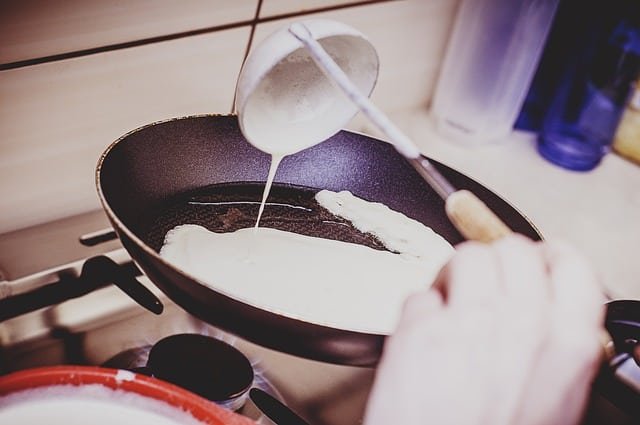
2. Material: Cast iron is the classic choice due to its excellent heat retention and distribution properties. However, there are also aluminum and non-stick options available. Non-stick pans are particularly convenient if you prefer hassle-free cooking and easy cleanup. Just remember that non-stick pans may require gentle washing and careful use to maintain their efficiency.
3. Handles: Having a pancake pan with ergonomic handles is crucial for safety and ease of use. Look for pans with heat-resistant handles that provide a comfortable grip, allowing you to flip your pancakes effortlessly.
4. Maintenance: Different pancake pans require different care. Cast iron pans, for instance, need to be seasoned regularly to maintain their non-stick properties. On the other hand, non-stick pans require gentle cleaning to prevent scratching the coating. Consider the maintenance requirements and choose a pancake pan that fits your lifestyle.
Now that you have chosen the perfect pancake pan, it’s time to master the art of making delicious pancakes. Here are a few tips to ensure pancake perfection:
1. Start with a clean pan: Make sure your pancake pan is clean before you begin cooking. Any remnants from previous cooking sessions may affect the flavor and texture of your pancakes.
2. Preheat the pan: Allow your pancake pan to heat up before pouring the batter. This will help achieve an even and golden brown cook.
3. Use the proper heat level: Medium heat is usually the sweet spot for pancake cooking. Too high of heat can lead to burnt pancakes, while too low of heat can result in undercooked and soggy pancakes.
4. Properly measure your ingredients: Precision in measuring ingredients is crucial for the perfect pancake batter. Follow the recipe closely and use measuring cups and spoons to ensure accuracy.
5. Let the batter sit: After preparing the pancake batter, allow it to rest for a few minutes before cooking. This will allow the gluten in the flour to relax and result in lighter, fluffier pancakes.
6. Cook in batches: If your pancake pan allows it, cook multiple pancakes at once. This way, you can serve a batch of warm pancakes together, ensuring everyone at the table can enjoy them simultaneously.
7. Experiment with toppings and fillings: Pancakes are a blank canvas for culinary creativity. Don’t be afraid to try different toppings and fillings, such as fruits, whipped cream, nuts, or even savory options like bacon and cheese. Let your imagination run wild!
Choosing the right pancake pan and mastering the art of pancake making will elevate your breakfast experience to new heights. Whether you opt for a classic cast iron pancake pan, a petite mini pancake pan, or a luxurious Staub pancake pan, the secret lies in the attention to detail and the love you put into your pancake preparations. So, gather your ingredients, get that perfect pancake pan, and embark on a culinary adventure that will tickle your taste buds and brighten your mornings!