
Jeans are essential items in everyone’s wardrobe, offering versatility, comfort, and style. Whether your jeans are a fashionable pair or your favorite old faithfuls, it’s crucial to know the proper way to wash them in the washing machine. With the right techniques, you can ensure their longevity and keep them looking fresh and fabulous. In this article, we will guide you through the process, provide tips to preserve your denim, and discuss the ideal water temperature for washing your beloved jeans.
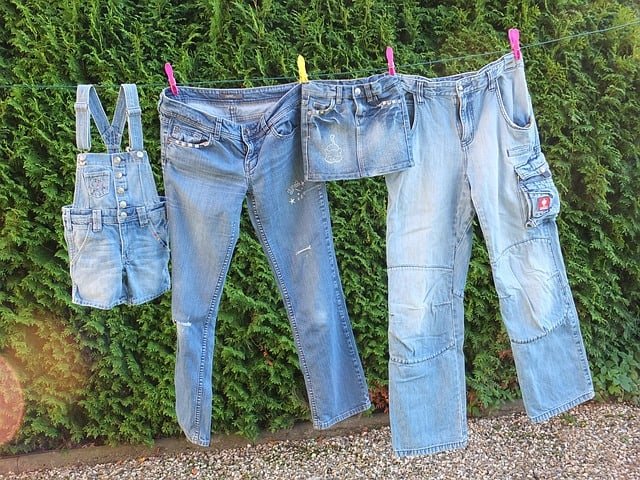
1. Sorting your jeans:
Before throwing your jeans into the washing machine, it’s important to sort them properly. Separating them from other clothes can help prevent color bleeding and ensure a gentle cycle. Furthermore, turning your jeans inside out will minimize fading and protect any embellishments or delicate details.
2. Pre-washing steps:
Before starting the washing process, give your jeans a quick once-over to check for any stains or spots. It’s best to treat these areas with a stain remover or a small amount of liquid detergent, allowing it to sit for a few minutes before proceeding.
Choice of Jeans in Accordance With the Type Figure
3. Avoid over-washing:
Jeans are constructed with durable denim fabric that is designed to withstand wear and tear. Therefore, it’s unnecessary to wash your jeans after every single wear. Over-washing can cause fading, shrinkage, and loss of shape. Instead, consider spot-cleaning or airing them out to keep them fresh between washes.
4. Choosing the right water temperature:
The water temperature plays a significant role in preserving your denim. While it’s best to refer to the care instructions on your jeans’ specific label, a general rule of thumb is to use cold water for dark or colored jeans. Cold water helps prevent color bleeding and minimizes fading. On the other hand, light-colored or white jeans can benefit from warm water to remove stains and restore brightness. However, be cautious not to use hot water as it can shrink your jeans and weaken the fabric.
5. Selecting an appropriate washing cycle:
When it comes to washing jeans, selecting the right washing cycle is crucial. The gentle or delicate cycle is the most suitable option, as it minimizes agitation, reducing the risk of fabric damage. Additionally, using a slower spin speed will prevent excessive creasing and potential stretching.
6. Using the right amount of detergent:
Using an excessive amount of detergent can leave residue on your jeans, resulting in a dingy appearance. On the other hand, using too little detergent may not effectively remove dirt and stains. To strike the perfect balance, follow the detergent instructions while considering the size of your washing load. Remember, less is more!
7. Avoid using fabric softener:
While fabric softener may leave your other garments feeling cozy and soft, it’s best to skip this step when it comes to jeans. Fabric softeners can leave a film on the denim, resulting in a less vibrant appearance. Moreover, they can hinder the jeans’ ability to hold their shape.
8. Keep zippers and buttons secure:
To prevent damage to other garments or the washing machine itself, it’s essential to fasten the zippers and buttons on your jeans. This will also help preserve any decorative elements or prevent snagging.
9. Drying considerations:
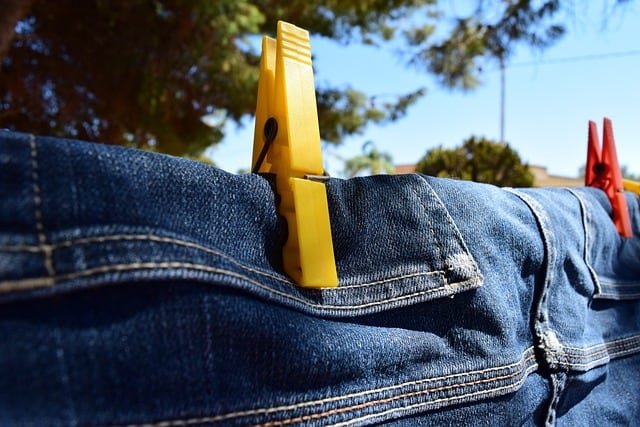
When it comes to drying your jeans, it is generally recommended to air dry them rather than using a machine dryer. Hanging your jeans in a shady spot or laying them flat to dry will prevent excessive heat and tumbling, which can cause shrinkage and distortion of the fabric. It may take a little longer, but the results will be worth it.
10. Storing your jeans:
Once your jeans are fresh, clean, and fully dry, consider the way you store them to maintain their quality. Folding is the most common and space-efficient option, but you can also hang them using clips on the waistband or hanger loops. Make sure to store them in a cool, dry place away from direct sunlight to avoid fading.
Don’t forget that washing jeans in the washing machine requires some care and attention to keep them looking great and lasting longer. Remember to sort your jeans, treat stains, use the appropriate water temperature and washing cycle, and avoid excessive drying. By following these tips, you can preserve the color, shape, and overall integrity of your beloved denim, ensuring they remain a staple in your wardrobe for years to come.
How to Iron Jeans: A Friendly Guide on Whether it’s OK to Do It and How to Do It
Jeans are a staple in nearly everyone’s wardrobe. They are comfortable, versatile, and can be styled for various occasions. However, no matter how well we take care of them, jeans tend to develop creases and wrinkles over time. That’s when ironing comes into the picture. But wait, is it even OK to iron jeans? And if so, how do we go about it? In this friendly guide, we will explore these questions and provide you with some useful tips on how to iron jeans effectively.
Is It OK to Iron Jeans?
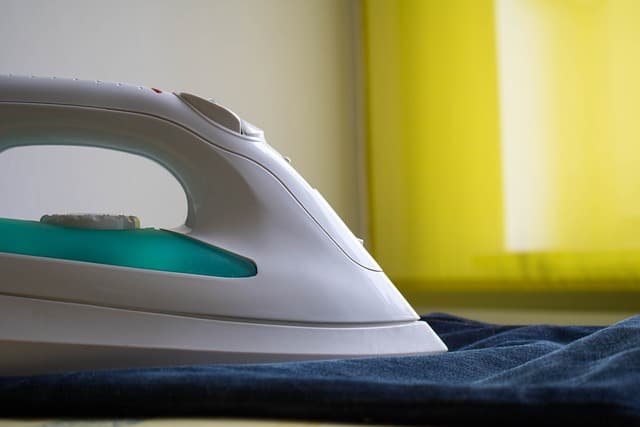
The answer to this question is yes, it is perfectly fine to iron jeans. In fact, ironing your jeans can help restore their original shape and give them a crisp, neat appearance. However, there are a few things to keep in mind before reaching for your ironing board.
Firstly, check the fabric composition of your jeans. Most jeans are made of denim, which is a durable and sturdy fabric. However, some jeans may have added stretch or special coatings that can be damaged by excessive heat. Carefully read the care label on your jeans to determine the maximum temperature they can withstand.
Secondly, evaluate the condition of your jeans. If your jeans have decorative elements such as embroidery, patches, or studs, take extra caution while ironing around these areas. Additionally, if your jeans have stubborn stains or are extremely wrinkled, it’s best to address those issues before ironing.
Steps to Iron Jeans
Now that we’ve established that ironing jeans is acceptable let’s delve into the step-by-step process of doing it successfully.
1. Prepare your ironing area: Begin by setting up a clean, sturdy ironing board. Adjust it to a comfortable height to avoid straining your back during the process. Plug in your iron and select the appropriate temperature setting according to your jeans’ fabric composition.
2. Start with a clean surface: Ensure that your jeans are free from any dirt or debris by giving them a gentle shake or brushing them off. This step will prevent any particles from getting trapped between the fabric and the iron, potentially causing damage.
3. Dampen your jeans if necessary: If your jeans are excessively wrinkled, you can lightly mist them with water using a spray bottle. This will help relax the fabric and make it easier to smooth out the creases.
4. Begin ironing: Lay one leg of your jeans on the ironing board, ensuring that it is flat and smooth. Starting from the top, glide the iron slowly in one direction, following the natural grain of the fabric. Avoid applying excessive pressure or pressing the iron back and forth, as this can distort the shape of your jeans.
5. Repeat for the other leg: Once you have completed ironing one leg, repeat the process for the other leg, ensuring the same level of care and attention.
6. Focus on the waistband: After ironing the legs, shift your attention to the waistband. Gently stretch out the waistband to remove any wrinkles, and run the iron over it using smooth strokes.
7. Deal with the pockets: If your jeans have front or back pockets, be careful while ironing around them. Insert a thin cloth or towel into the pocket to create a barrier between the iron and the fabric. This precaution will prevent any unwanted marks or imprints on the pockets.
8. Give it a final touch: Once you have ironed the entire pair of jeans, take a step back and check for any remaining wrinkles. Smooth them out by running the iron over those areas, making sure not to overdo it and risk creating shiny spots.
9. Hang your jeans or wear them: After ironing, allow your jeans to cool down for a couple of minutes before wearing or storing them. Hanging them on a hanger will help them retain their shape and prevent fresh wrinkles from forming.
Additional Tips:
– Always iron jeans inside out to protect the outer surface from any potential damage.
– If you’re short on time or don’t have an ironing board, you can use a clothing steamer or even hang your jeans in a steamy bathroom to remove wrinkles.
– Consider investing in a quality steam iron that provides controlled heat, especially if you often find yourself ironing jeans.
– If you’re unsure about ironing a particular pair of jeans, it’s best to consult the care instructions provided by the manufacturer.
It is absolutely OK to iron jeans, provided you follow the appropriate precautions and techniques. Ironing your jeans can enhance their appearance and keep them looking fresh. By carefully handling your jeans and using the right heat setting, you can effectively smooth out wrinkles and creases, ensuring your favorite denim continues to serve you well. So, next time your jeans need a little touch-up, grab your iron, and confidently tackle the task!